
What Is Spine Surgery?
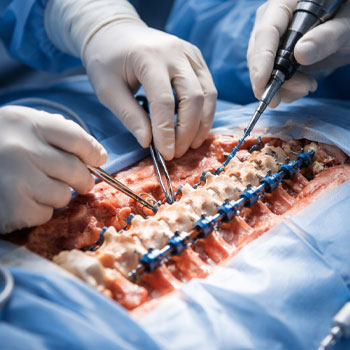
Spine surgery refers to a group of specialized medical procedures performed to treat conditions affecting the spine, including the vertebrae, discs, nerves, and surrounding tissues. It is typically recommended when non-surgical treatments such as medications, physiotherapy, and lifestyle changes fail to provide adequate relief. Spine surgery aims to reduce pain, restore mobility, correct deformities, and improve the overall quality of life for patients suffering from spinal disorders.
When Is Spine Surgery Needed?
Not every back or neck problem requires surgery. Most conditions can be managed conservatively. However, spine surgery becomes necessary in certain situations where symptoms are severe, persistent, or worsening.
Common Reasons for Spine Surgery
- Chronic back or neck pain that does not improve with treatment
- Herniated or slipped discs causing nerve compression
- Spinal stenosis leading to numbness or weakness
- Spinal fractures due to injury or osteoporosis
- Degenerative disc disease affecting mobility
- Spinal deformities such as scoliosis or kyphosis
- Nerve-related symptoms like tingling, burning, or radiating pain
Types of Spine Surgery
There are several types of spine surgeries, each designed to address specific conditions. The choice of procedure depends on the diagnosis, severity, and patient’s overall health.
Discectomy
This procedure involves removing a portion of a damaged disc that is pressing on a nerve. It is commonly performed for herniated discs and helps relieve pain and nerve-related symptoms.
Laminectomy
Laminectomy involves removing part of the vertebral bone called the lamina to relieve pressure on the spinal cord or nerves. It is often used to treat spinal stenosis.
Spinal Fusion
In spinal fusion, two or more vertebrae are permanently joined together to stabilize the spine. This procedure is commonly used in cases of instability, fractures, or severe degeneration.
Minimally Invasive Spine Surgery
Modern techniques allow surgeons to perform procedures through small incisions using advanced instruments. This approach reduces muscle damage, pain, and recovery time compared to traditional open surgery.
Artificial Disc Replacement
This procedure involves replacing a damaged disc with an artificial one to maintain normal spine movement. It is an alternative to spinal fusion in selected cases.
Benefits of Spine Surgery
When performed for the right reasons, spine surgery can significantly improve a patient’s condition and daily functioning.
- Relief from chronic pain and discomfort
- Improved mobility and flexibility
- Reduced nerve compression symptoms
- Correction of spinal deformities
- Enhanced quality of life and independence
Risks and Considerations
Like any surgical procedure, spine surgery carries certain risks. It is important for patients to discuss these with their doctor before proceeding.
- Infection at the surgical site
- Bleeding or blood clots
- Nerve damage or persistent symptoms
- Delayed healing or complications
- Need for additional surgeries in some cases
Preparation for Spine Surgery
Proper preparation plays a key role in ensuring successful outcomes. Patients are usually advised to follow specific guidelines before surgery.
- Undergo diagnostic tests such as MRI or CT scans
- Stop smoking to promote better healing
- Maintain a healthy diet and fitness level
- Discuss medications with the doctor
- Arrange post-surgery support at home
Recovery After Spine Surgery
Recovery time varies depending on the type of surgery and individual health. Minimally invasive procedures may allow faster recovery, while more complex surgeries may require longer rehabilitation.
Post-Surgery Care Tips
- Follow prescribed medications and therapy plans
- Avoid heavy lifting and sudden movements
- Attend physiotherapy sessions regularly
- Maintain proper posture while sitting and walking
- Gradually return to normal activities as advised
Role of Physiotherapy in Recovery
Physiotherapy is a crucial part of spine surgery recovery. It helps strengthen muscles, improve flexibility, and restore normal function. A personalized rehabilitation plan ensures faster healing and reduces the risk of recurrence.
Choosing the Right Spine Specialist
Selecting an experienced orthopedic or spine surgeon is essential for successful treatment. Patients should consider the surgeon’s expertise, hospital facilities, and available advanced technologies before making a decision.
Spine surgery is a highly effective treatment option for various spinal conditions when conservative methods are not sufficient. With advancements in medical technology, many procedures are now safer and less invasive, offering quicker recovery and better outcomes. Early diagnosis, proper treatment planning, and expert care play a vital role in achieving the best results and helping patients return to a pain-free and active life.