
What is Laparoscopic Surgery in Gynaecology?
Laparoscopic surgery, also known as minimally invasive surgery, is a modern surgical technique widely used in gynaecology to diagnose and treat various conditions affecting the female reproductive system. Unlike traditional open surgery, laparoscopic procedures involve small incisions, typically less than 1 cm, through which a thin instrument called a laparoscope is inserted. This device contains a high-resolution camera and light source, allowing the surgeon to view internal organs on a monitor with great clarity.
In gynaecology, laparoscopic surgery is commonly used to treat conditions such as ovarian cysts, fibroids, endometriosis, ectopic pregnancy, and pelvic adhesions. It has revolutionized women's healthcare by offering a safer, faster, and less painful alternative to conventional surgical methods.
How Laparoscopic Surgery Works
The procedure begins with the administration of general anesthesia to ensure patient comfort. A small incision is made near the navel, and carbon dioxide gas is gently introduced into the abdomen. This gas creates space by lifting the abdominal wall, allowing better visibility and movement of surgical instruments.
The laparoscope is then inserted through this incision, providing a magnified view of the pelvic organs. Additional small incisions may be made to insert specialized surgical tools required for the procedure. The surgeon performs the operation while viewing the live images on a screen, ensuring precision and minimal tissue damage.
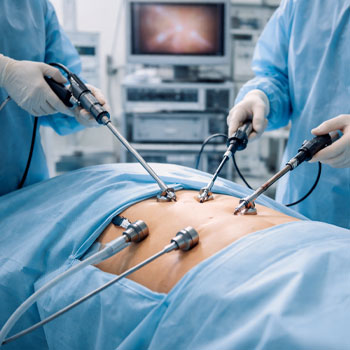
Key Steps Involved
- Administration of anesthesia for a painless experience
- Creation of small incisions in the abdomen
- Insertion of laparoscope and surgical instruments
- Visualization of internal organs using a camera
- Completion of the procedure with minimal blood loss
- Closure of incisions with sutures or surgical tape
Common Gynaecological Conditions Treated
Laparoscopic surgery plays a crucial role in diagnosing and managing various gynaecological issues. It is both a diagnostic and therapeutic tool, making it highly valuable in modern medical practice.
Conditions Commonly Treated
- Ovarian cyst removal
- Fibroid removal (myomectomy)
- Endometriosis treatment
- Ectopic pregnancy management
- Hysterectomy (removal of the uterus)
- Pelvic inflammatory disease complications
- Adhesion removal
Advantages of Laparoscopic Surgery
One of the major benefits of laparoscopic surgery is its minimally invasive nature. Compared to traditional open surgery, it offers numerous advantages that improve patient comfort and recovery outcomes.
Benefits for Patients
- Smaller incisions leading to minimal scarring
- Reduced postoperative pain
- Shorter hospital stay
- Faster recovery and return to daily activities
- Lower risk of infection
- Less blood loss during surgery
- Better cosmetic results
Recovery After Laparoscopic Surgery
Recovery after laparoscopic surgery is generally quick and smooth compared to open procedures. Most patients can go home within 24 to 48 hours, depending on the type of surgery performed. Mild discomfort, bloating, or shoulder pain may occur due to the gas used during the procedure, but these symptoms usually resolve within a few days.
Patients are advised to follow their doctor’s instructions carefully, including medication, wound care, and activity restrictions. Light activities can often be resumed within a few days, while complete recovery may take one to two weeks.
Postoperative Care Tips
- Keep incision sites clean and dry
- Avoid heavy lifting for a few weeks
- Follow prescribed medications regularly
- Attend follow-up appointments
- Maintain a healthy diet for faster healing
Risks and Considerations
Although laparoscopic surgery is considered safe, like any surgical procedure, it carries some risks. These may include infection, bleeding, injury to surrounding organs, or complications related to anesthesia. However, such risks are relatively rare when the procedure is performed by an experienced gynaecologist.
It is important for patients to discuss their medical history, current medications, and any existing health conditions with their doctor before undergoing surgery. This helps in minimizing potential complications and ensuring a successful outcome.
Why Choose Laparoscopic Surgery in Gynaecology?
Laparoscopic surgery has become the preferred choice for many gynaecological procedures due to its precision, safety, and patient-friendly approach. With advancements in medical technology, surgeons can now perform complex procedures with enhanced accuracy and minimal discomfort to the patient.
For women seeking effective treatment with quicker recovery and fewer complications, laparoscopic surgery offers an excellent solution. It not only improves surgical outcomes but also enhances overall quality of life by reducing downtime and promoting faster healing.
Laparoscopic surgery represents a significant advancement in gynaecology, providing a modern, efficient, and minimally invasive way to diagnose and treat various reproductive health conditions. Its numerous benefits, including reduced pain, quicker recovery, and improved safety, make it an ideal choice for many patients.
If you are experiencing gynaecological issues or have been advised surgery, consulting a qualified specialist can help you understand whether laparoscopic surgery is the right option for you. Early diagnosis and appropriate treatment can lead to better health outcomes and long-term well-being.