
What is Colposcopy Scanning?
Colposcopy scanning is a specialized gynecological diagnostic procedure used to closely examine the cervix, vagina, and vulva for signs of abnormal cells or potential disease. It is typically recommended when a woman has an abnormal Pap smear result, unexplained vaginal bleeding, or symptoms that require further investigation. This procedure allows doctors to identify early changes in cervical cells, helping in the prevention and early detection of conditions such as cervical cancer.
Why is Colposcopy Performed?
Colposcopy is not a routine test but is usually advised when certain abnormalities are detected. It provides a magnified view of the cervical tissues, enabling more accurate diagnosis and targeted treatment.
Common Reasons for Colposcopy
- Abnormal Pap smear results
- Positive Human Papillomavirus (HPV) test
- Unusual vaginal bleeding or discharge
- Visible abnormalities on the cervix
- Follow-up after previous cervical treatment
- Persistent pelvic pain with unclear cause
How Does Colposcopy Scanning Work?
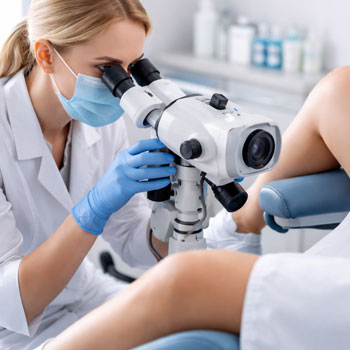
During a colposcopy, a device called a colposcope is used. It is a specialized microscope that stays outside the body but provides a highly magnified view of the cervix. The doctor applies a mild solution, usually acetic acid or iodine, to highlight abnormal cells. These solutions cause abnormal areas to appear white or change color, making them easier to identify.
The procedure is typically done in a clinic and takes about 10 to 20 minutes. It is similar to a routine pelvic exam, and while it may cause slight discomfort, it is generally not painful.
What Happens During the Procedure?
Understanding the steps involved can help reduce anxiety and prepare patients for the procedure.
Step-by-Step Process
- The patient lies on an examination table similar to a Pap test position
- A speculum is inserted to gently open the vaginal walls
- The colposcope is positioned outside the vagina
- A special solution is applied to the cervix
- The doctor carefully examines the tissue under magnification
- If needed, a small biopsy sample may be taken
If a biopsy is performed, the patient may feel a brief pinch or mild cramping, but it is usually manageable.
Benefits of Colposcopy Scanning
Colposcopy plays a vital role in women's health by enabling early diagnosis and prevention of serious conditions. It is a safe and effective tool used worldwide by gynecologists.
Key Advantages
- Early detection of precancerous and cancerous changes
- Accurate diagnosis with magnified visualization
- Guided biopsy for precise tissue sampling
- Minimally invasive and quick procedure
- Helps in monitoring existing cervical conditions
Is Colposcopy Painful or Risky?
Colposcopy is generally a low-risk procedure. Most women experience only mild discomfort similar to a routine gynecological exam. If a biopsy is taken, there may be slight spotting or cramping for a few days.
Possible Side Effects
- Mild vaginal spotting
- Light cramping
- Temporary dark discharge (due to applied solutions)
- Rare risk of infection
Patients are usually advised to avoid tampons, sexual intercourse, and heavy physical activity for a short period after a biopsy.
Preparation Before Colposcopy
Proper preparation can ensure a smooth and comfortable experience. While colposcopy does not require extensive preparation, a few simple steps can help.
Preparation Tips
- Schedule the test when not on menstrual periods
- Avoid vaginal medications or douching before the test
- Refrain from sexual intercourse 24–48 hours prior
- Take a mild pain reliever if advised by your doctor
- Wear comfortable clothing for the appointment
Results and Follow-Up
After the procedure, the doctor may discuss initial findings immediately. However, if a biopsy is taken, results may take a few days. Based on the findings, further treatment or monitoring may be recommended.
Possible Outcomes
- Normal results with no abnormal cells
- Mild cell changes requiring observation
- Precancerous changes needing treatment
- Rare cases of cervical cancer requiring further care
Regular follow-up is important to ensure any abnormalities are managed effectively and promptly.
Importance of Regular Gynecological Check-Ups
Colposcopy is a powerful diagnostic tool, but it works best when combined with regular gynecological screenings. Routine Pap smears and HPV testing are essential for maintaining cervical health and detecting issues early.
Women should not ignore symptoms such as unusual bleeding, pelvic pain, or abnormal discharge. Early consultation with a qualified gynecologist can make a significant difference in outcomes.
Colposcopy scanning is an essential procedure in modern gynecology that helps detect and prevent serious cervical conditions. It is safe, quick, and highly effective in identifying abnormalities at an early stage. By understanding the procedure, benefits, and importance of follow-up care, women can take proactive steps toward better reproductive health and overall well-being.