
What is Arthroscopy?
Arthroscopy is a modern, minimally invasive surgical procedure used by orthopedic specialists to diagnose and treat problems inside a joint. Instead of making large incisions, surgeons use a small camera called an arthroscope, which is inserted into the joint through tiny cuts. This camera displays real-time images on a monitor, allowing doctors to view the joint’s structures clearly and perform precise treatments.
This advanced technique has revolutionized orthopedic care by reducing recovery time, minimizing pain, and lowering the risk of complications compared to traditional open surgeries. Arthroscopy is commonly performed on joints such as the knee, shoulder, hip, ankle, elbow, and wrist.
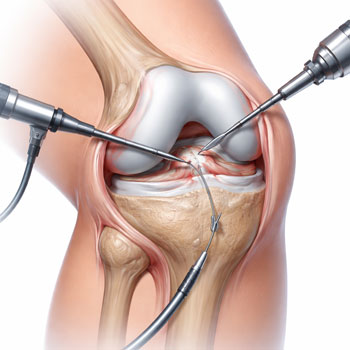
How Arthroscopy Works
During an arthroscopic procedure, a small incision is made to insert the arthroscope. The camera sends high-definition images to a screen, helping the surgeon identify issues such as torn ligaments, damaged cartilage, or inflamed tissues. Additional small incisions may be made to insert specialized surgical instruments for treatment.
The procedure is typically performed under local, regional, or general anesthesia, depending on the joint involved and the complexity of the condition. Most arthroscopic surgeries are done on an outpatient basis, meaning patients can go home the same day.
Common Conditions Treated with Arthroscopy
- Torn ligaments such as ACL injuries
- Meniscus tears in the knee
- Rotator cuff tears in the shoulder
- Joint inflammation or synovitis
- Cartilage damage or wear and tear
- Loose bone or cartilage fragments inside joints
- Shoulder impingement or instability
- Ankle ligament injuries
Benefits of Arthroscopy
Arthroscopy offers several advantages over traditional open surgery, making it a preferred choice for many orthopedic conditions.
- Smaller incisions leading to minimal scarring
- Reduced pain after surgery
- Faster recovery and return to daily activities
- Lower risk of infection
- Shorter hospital stays or same-day discharge
- Improved accuracy due to enhanced visualization
Arthroscopy of Different Joints
Knee Arthroscopy
Knee arthroscopy is one of the most commonly performed procedures. It is used to repair meniscus tears, reconstruct ligaments, and remove damaged cartilage. Athletes often undergo knee arthroscopy for sports-related injuries.
Shoulder Arthroscopy
This procedure helps treat rotator cuff injuries, shoulder dislocations, and impingement syndromes. It allows surgeons to repair soft tissues with precision.
Hip Arthroscopy
Hip arthroscopy is used to address labral tears, hip impingement, and joint damage. It is less invasive compared to traditional hip surgeries.
Ankle and Wrist Arthroscopy
These procedures are useful for diagnosing and treating ligament injuries, joint instability, and chronic pain conditions in smaller joints.
Preparation for Arthroscopy
Before undergoing arthroscopy, patients typically undergo a detailed medical evaluation. This may include imaging tests such as X-rays or MRI scans to assess the joint condition.
- Follow fasting instructions before surgery
- Inform the doctor about medications and allergies
- Arrange transportation after the procedure
- Wear comfortable clothing on the day of surgery
Recovery After Arthroscopy
Recovery time varies depending on the type of joint treated and the complexity of the procedure. Most patients experience less pain compared to open surgery and can resume light activities within a few days.
Physical therapy plays a crucial role in recovery, helping restore strength, flexibility, and joint function. Following the surgeon’s advice ensures optimal healing and prevents complications.
- Rest and elevate the affected joint
- Use ice packs to reduce swelling
- Follow prescribed medications
- Attend physiotherapy sessions regularly
- Avoid strenuous activities until fully healed
Risks and Complications
Although arthroscopy is generally safe, like any surgical procedure, it carries some risks. These complications are rare but may include infection, blood clots, nerve or tissue damage, and stiffness in the joint.
Choosing an experienced orthopedic specialist and following post-operative care instructions can significantly reduce these risks.
Who Needs Arthroscopy?
Arthroscopy is recommended for individuals who have persistent joint pain, swelling, stiffness, or limited mobility that does not improve with medications or physiotherapy. It is also ideal for athletes and active individuals who require faster recovery and return to physical activities.
Early diagnosis and timely treatment can prevent further joint damage and improve overall quality of life.
Arthroscopy is a highly effective and minimally invasive orthopedic procedure that offers accurate diagnosis and treatment of various joint conditions. With its numerous benefits, including faster recovery, reduced pain, and minimal scarring, it has become a preferred option for both patients and surgeons.
If you are experiencing ongoing joint issues, consulting an orthopedic specialist can help determine whether arthroscopy is the right solution for you. Early intervention ensures better outcomes and helps maintain long-term joint health.