
What is Arthritis?
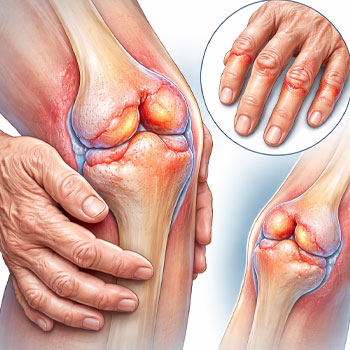
Arthritis is a common orthopedic condition that affects the joints, causing pain, stiffness, swelling, and reduced mobility. It is not a single disease but a broad term used to describe more than 100 different types of joint-related disorders. Arthritis can affect people of all ages, including children, but it is more commonly seen in adults, especially as they age. The condition primarily targets joints such as the knees, hips, hands, and spine, impacting daily activities and overall quality of life.
Understanding the Basics of Arthritis
Joints are the areas where two or more bones meet, allowing smooth movement and flexibility. In a healthy joint, cartilage acts as a cushion between bones, ensuring frictionless movement. Arthritis develops when this cartilage breaks down or when inflammation affects the joint lining, leading to discomfort and restricted movement. Over time, untreated arthritis can cause joint damage and deformity.
Common Types of Arthritis
- Osteoarthritis: The most common type, caused by wear and tear of joint cartilage over time. It often affects weight-bearing joints like knees and hips.
- Rheumatoid Arthritis: An autoimmune condition where the immune system attacks joint tissues, causing inflammation and joint damage.
- Gout: A type of arthritis caused by the accumulation of uric acid crystals in the joints, leading to sudden and severe pain.
- Psoriatic Arthritis: Associated with psoriasis, this type causes joint pain along with skin symptoms.
- Ankylosing Spondylitis: Primarily affects the spine, causing stiffness and reduced flexibility.
Symptoms of Arthritis
The symptoms of arthritis can vary depending on the type and severity, but some common signs include:
- Persistent joint pain and tenderness
- Swelling around the joints
- Stiffness, especially in the morning or after inactivity
- Reduced range of motion
- Warmth or redness in affected joints
- Weakness or muscle loss around joints
Causes and Risk Factors
Arthritis can develop due to multiple factors. Understanding these causes can help in early detection and prevention:
- Age: The risk increases as you get older.
- Genetics: Family history can play a role in certain types of arthritis.
- Injuries: Previous joint injuries can lead to arthritis later in life.
- Obesity: Excess body weight puts additional stress on joints, especially knees and hips.
- Autoimmune Disorders: Conditions like rheumatoid arthritis occur when the immune system attacks healthy tissues.
- Lifestyle Factors: Lack of physical activity and poor diet can contribute to joint problems.
Diagnosis of Arthritis
Early diagnosis is crucial for effective management of arthritis. Orthopedic specialists use a combination of medical history, physical examination, and diagnostic tests to confirm the condition:
- X-rays to assess joint damage
- MRI scans for detailed imaging of soft tissues
- Blood tests to detect inflammation or autoimmune markers
- Joint fluid analysis to identify infections or crystal deposits
Treatment Options for Arthritis
While arthritis may not always be completely curable, various treatments can help manage symptoms and improve quality of life:
- Medications: Pain relievers, anti-inflammatory drugs, and disease-modifying medications.
- Physical Therapy: Exercises to strengthen muscles and improve joint flexibility.
- Lifestyle Changes: Maintaining a healthy weight, regular exercise, and a balanced diet.
- Assistive Devices: Braces, supports, and orthotics to reduce joint strain.
- Minimally Invasive Procedures: Injections such as corticosteroids or PRP therapy.
- Surgery: Joint replacement or repair in severe cases.
Prevention and Joint Care Tips
Although not all types of arthritis can be prevented, adopting healthy habits can significantly reduce the risk and slow progression:
- Stay physically active with low-impact exercises like walking or swimming
- Maintain a healthy body weight
- Follow a balanced diet rich in calcium and vitamin D
- Avoid repetitive strain on joints
- Practice good posture and ergonomics
- Quit smoking and limit alcohol intake
When to Consult an Orthopedic Specialist
If you experience persistent joint pain, swelling, or stiffness that interferes with daily activities, it is important to seek medical advice. Early intervention can help prevent further joint damage and improve long-term outcomes. Orthopedic experts can provide personalized treatment plans based on the type and severity of arthritis.
Arthritis is a widespread orthopedic condition that can significantly impact mobility and quality of life if left untreated. Understanding its types, symptoms, and treatment options is essential for effective management. With early diagnosis, proper medical care, and lifestyle modifications, individuals with arthritis can lead active and fulfilling lives. Regular check-ups and proactive joint care play a key role in maintaining long-term joint health.