
What is Joint Replacement?
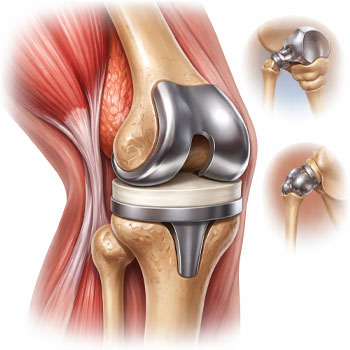
Joint replacement is a highly effective orthopedic procedure designed to relieve pain, restore mobility, and improve the quality of life for individuals suffering from severe joint damage. It involves removing a damaged or diseased joint and replacing it with an artificial implant made of metal, ceramic, or durable plastic components. This treatment is commonly recommended when non-surgical options such as medications, physiotherapy, or lifestyle changes fail to provide adequate relief.
Why is Joint Replacement Needed?
Joint replacement is typically advised when joints become severely damaged due to conditions like osteoarthritis, rheumatoid arthritis, injury, or degenerative diseases. As the cartilage wears away, bones begin to rub against each other, leading to intense pain, stiffness, and reduced movement.
Common Reasons for Joint Replacement
- Chronic joint pain that limits daily activities
- Severe stiffness and reduced range of motion
- Joint deformity or structural damage
- Failure of non-surgical treatments
- Difficulty in walking, sitting, or standing
Types of Joint Replacement Surgeries
Joint replacement can be performed on various joints in the body, depending on the severity and location of the problem. Each type is tailored to restore function and reduce discomfort.
Major Types Include
- Knee Replacement: Replacing damaged knee joint surfaces to restore smooth movement
- Hip Replacement: Substituting the hip joint with artificial components to improve mobility
- Shoulder Replacement: Treating severe shoulder arthritis or fractures
- Elbow Replacement: Restoring elbow joint function after trauma or arthritis
- Ankle Replacement: Improving stability and reducing pain in the ankle joint
How Does Joint Replacement Work?
During joint replacement surgery, the orthopedic surgeon removes the damaged cartilage and bone surfaces and replaces them with prosthetic components. These implants are designed to mimic natural joint movement and function smoothly within the body.
The procedure is usually performed under anesthesia and may take a few hours depending on the joint involved. Modern surgical techniques ensure precision, minimal tissue damage, and faster recovery.
Benefits of Joint Replacement
Joint replacement offers significant improvements in both physical function and overall well-being. Patients often experience relief from chronic pain and regain independence in daily activities.
Key Benefits
- Long-term pain relief
- Improved joint function and flexibility
- Enhanced mobility and independence
- Better quality of life
- Ability to return to normal activities
Who is a Good Candidate for Joint Replacement?
Joint replacement is generally recommended for individuals who have severe joint damage and whose symptoms interfere with their daily life. Age is not always a limiting factor, as both younger and older patients can benefit depending on their condition and overall health.
Suitable Candidates Include
- Patients with advanced arthritis
- Individuals with persistent joint pain despite treatment
- People with limited mobility affecting daily tasks
- Patients with joint injuries that cannot heal naturally
Recovery After Joint Replacement
Recovery plays a crucial role in the success of joint replacement surgery. Most patients begin movement within a day after surgery under medical supervision. Physiotherapy is essential to strengthen muscles, improve flexibility, and ensure proper healing.
The recovery period varies depending on the type of joint replaced, but most individuals can resume normal activities within a few weeks to months. Following the doctor’s advice and maintaining a healthy lifestyle significantly improves outcomes.
Post-Surgery Care Tips
- Follow physiotherapy exercises regularly
- Avoid excessive strain on the joint
- Maintain a healthy body weight
- Attend regular follow-up checkups
- Adopt a balanced diet for faster healing
Risks and Considerations
While joint replacement is generally safe and highly successful, like any surgical procedure, it carries certain risks. These may include infection, blood clots, implant wear, or stiffness. However, with modern advancements and proper care, complications are rare and manageable.
Choosing an experienced orthopedic specialist and following post-operative instructions can greatly reduce risks and ensure a successful recovery.
Joint replacement is a life-changing solution for individuals suffering from severe joint pain and mobility issues. With advancements in orthopedic technology and surgical techniques, patients can expect improved outcomes, faster recovery, and long-lasting results. If joint pain is affecting your daily life, consulting an orthopedic specialist can help determine whether joint replacement is the right option for you.