
What is Hysteroscopy?
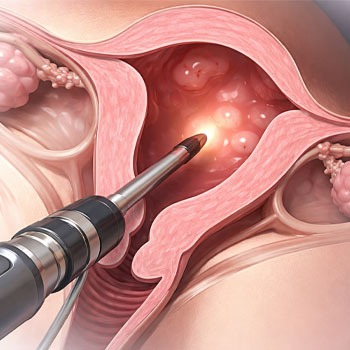
Hysteroscopy is a modern, minimally invasive gynecological procedure used to examine the inside of a woman’s uterus (womb). It is performed using a thin, lighted instrument called a hysteroscope, which is gently inserted through the vagina and cervix into the uterus. This procedure allows doctors to directly view the uterine lining without the need for any surgical cuts on the abdomen.
Hysteroscopy is widely used for both diagnostic and therapeutic purposes. It helps identify various uterine conditions and, in many cases, allows treatment to be performed during the same procedure. Because it is less invasive, hysteroscopy is often preferred over traditional surgical methods.
Why is Hysteroscopy Done?
Doctors recommend hysteroscopy to diagnose or treat a variety of gynecological conditions. It is especially helpful in evaluating abnormal symptoms related to the uterus.
Common reasons include:
- Abnormal uterine bleeding (heavy, irregular, or prolonged periods)
- Postmenopausal bleeding
- Infertility evaluation
- Repeated miscarriages
- Detection of uterine polyps or fibroids
- Removal of adhesions (scar tissue) inside the uterus
- Locating and removing displaced intrauterine devices (IUDs)
- Investigating unusual findings from ultrasound scans
Hysteroscopy provides a clear and accurate view, making it one of the most effective tools in modern gynecology.
Types of Hysteroscopy
There are two main types of hysteroscopy, depending on the purpose of the procedure.
Diagnostic Hysteroscopy
This type is used to examine the uterus and identify any abnormalities. It is often performed when a patient has unexplained symptoms or abnormal imaging results.
Operative Hysteroscopy
In this procedure, surgical instruments are inserted through the hysteroscope to treat identified conditions. For example, doctors can remove polyps, fibroids, or scar tissue during the same session.
How is the Procedure Performed?
Hysteroscopy is usually performed as a day-care procedure, meaning the patient can go home the same day. It may be done in a hospital or a specialized clinic.
Step-by-step process:
- The patient is positioned comfortably, similar to a pelvic examination.
- A speculum may be used to gently open the vaginal walls.
- The hysteroscope is inserted through the cervix into the uterus.
- Saline or gas is introduced to expand the uterus for better visibility.
- The doctor carefully examines the uterine lining.
- If needed, small instruments are used for treatment.
The procedure typically takes 10 to 30 minutes, depending on whether it is diagnostic or operative.
Benefits of Hysteroscopy
Hysteroscopy has become increasingly popular due to its numerous advantages over traditional surgical methods.
- No abdominal cuts or stitches required
- Quick recovery time
- High accuracy in diagnosis
- Simultaneous diagnosis and treatment
- Minimal pain and discomfort
- Reduced risk of complications
These benefits make hysteroscopy a safe and effective option for many women.
Preparation Before Hysteroscopy
Proper preparation ensures a smooth and successful procedure. Your doctor will provide specific instructions based on your health condition.
General preparation tips:
- Schedule the procedure after your menstrual period
- Avoid eating or drinking for a few hours if anesthesia is planned
- Inform your doctor about medications or allergies
- Take prescribed medicines as advised
- Arrange for someone to accompany you home
Following these guidelines helps minimize risks and improves outcomes.
Recovery After Hysteroscopy
Recovery from hysteroscopy is usually quick and uncomplicated. Most women can return to normal activities within a day or two.
What to expect after the procedure:
- Mild cramping similar to menstrual pain
- Light vaginal bleeding or spotting
- Slight dizziness if anesthesia was used
Doctors may recommend avoiding heavy exercise, sexual activity, or tampon use for a few days to allow proper healing.
Risks and Complications
Hysteroscopy is generally safe, but like any medical procedure, it carries some risks. However, serious complications are rare.
Possible risks include:
- Infection
- Uterine perforation (rare)
- Excessive bleeding
- Reaction to anesthesia
- Fluid imbalance
Consult your doctor immediately if you experience severe pain, heavy bleeding, fever, or unusual discharge.
When to Consult a Gynecologist?
If you experience persistent gynecological symptoms, it is important to seek medical advice. Early diagnosis can prevent complications and improve treatment outcomes.
- Irregular or heavy periods
- Bleeding after menopause
- Difficulty in conceiving
- Repeated pregnancy loss
- Pelvic pain or discomfort
Hysteroscopy plays a crucial role in identifying the underlying causes of these issues and guiding appropriate treatment.
Hysteroscopy is a safe, effective, and minimally invasive procedure that has revolutionized the field of gynecology. It provides a clear view of the uterine cavity and allows both diagnosis and treatment in a single session. With its quick recovery time and high success rate, hysteroscopy is an excellent option for women facing uterine health concerns.
If you are experiencing symptoms related to your reproductive health, consult a qualified gynecologist to determine whether hysteroscopy is the right choice for you.